
Understanding the psychological triggers that drive gambling behavior
The Allure of Chance
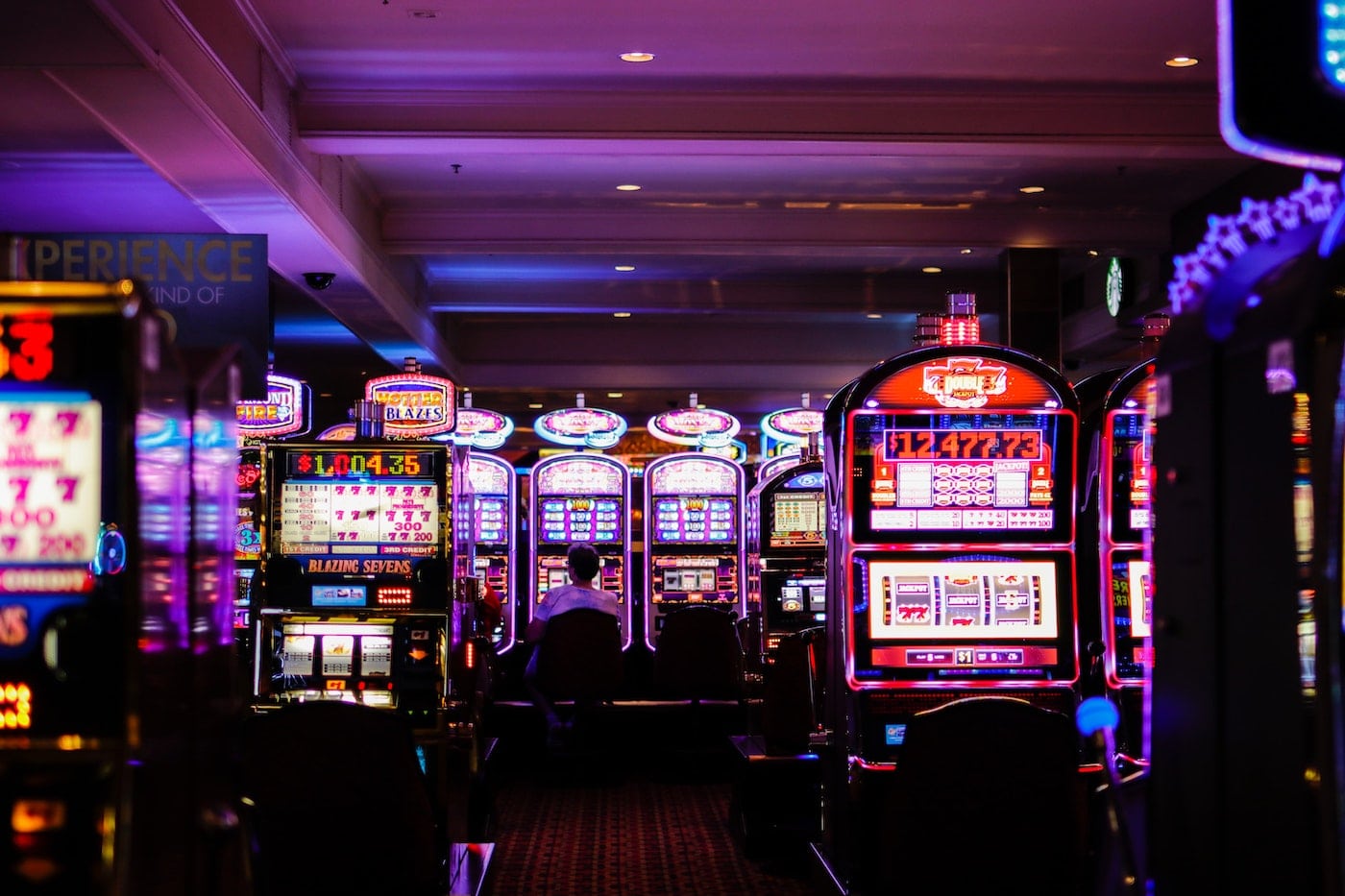
The thrill of gambling often lies in the unpredictable nature of chance. Players are drawn to the possibility of winning big without any prior knowledge or expertise. This allure taps into a fundamental human desire for excitement and risk. The unpredictability of outcomes, combined with the anticipation leading up to a potential win, can create a psychological high similar to that experienced in high-stakes situations. Many players find that playing online pokies enhances this feeling as they experience the rush of chance firsthand.

The random nature of games like slots or roulette can trigger adrenaline, making the experience feel exhilarating. Many players chase these feelings, associating them with both entertainment and escape. Understanding how these elements interact helps clarify why individuals often find themselves returning to gambling despite the risks involved.
The Role of Cognitive Biases
Cognitive biases play a significant role in gambling behavior. One common bias is the “gambler’s fallacy,” where individuals believe that past events can influence future outcomes. For example, a player might think that because a slot machine has not paid out recently, it is “due” for a win. Such misconceptions can fuel persistent gambling despite losses, leading individuals to chase their losses in hopes of a turnaround.
Additionally, the illusion of control is another powerful bias. Many gamblers believe they can influence the outcome of a game through their choices or strategies. This perception can lead them to gamble more frequently, convinced they possess skills that will yield better results than chance alone. Understanding these biases sheds light on the psychological underpinnings of gambling behavior.
Emotional Triggers and Impulsivity
Emotional states significantly influence gambling behavior. For some, gambling serves as an emotional outlet, providing a means to cope with stress, boredom, or negative feelings. The temporary escape gambling offers can lead to a cycle of impulsive betting, where individuals gamble to enhance their mood or mitigate feelings of distress.
Moreover, moments of emotional vulnerability can trigger compulsive gambling. Whether due to personal issues or broader life challenges, individuals may turn to gambling as a form of distraction. Recognizing these emotional triggers can help individuals understand their gambling habits and develop healthier coping mechanisms.
The Influence of Social Factors
Social dynamics heavily impact gambling behavior. Peer influence is particularly strong, as individuals may be encouraged to participate in gambling activities through social circles. The presence of friends or family who gamble can normalize the behavior, making it feel more acceptable or even necessary for social bonding.
Additionally, advertising and media portrayals of gambling can shape perceptions and attitudes. Exposure to glamorous representations of gambling environments can entice individuals to try their luck. Understanding these social influences provides deeper insights into why people may be drawn to gambling and how these factors perpetuate gambling behavior.
Exploring Responsible Gambling Resources
As gambling becomes more prevalent, it is essential to foster awareness of responsible gambling practices. Various organizations and websites provide resources aimed at educating players about the risks associated with gambling. Understanding one’s limits and recognizing when gambling becomes problematic are crucial steps in promoting a healthier relationship with gambling.
By accessing information and support, individuals can make informed decisions about their gambling habits. Exploring these resources can empower players to engage in gambling as a form of entertainment rather than a compulsive behavior, ultimately leading to a more balanced approach to gaming experiences.