
Unveiling the truth behind common gambling myths
Understanding the House Edge
A common myth in gambling is that players can consistently beat the house by using strategies or systems. Many gamblers believe that certain betting systems can overcome the inherent house edge, but this is not true. The house edge is a mathematical certainty; it ensures that the casino or bookmaker will always have a slight advantage over time. For instance, in games like roulette, the presence of the zero or double zero greatly favors the house, making it statistically improbable for players to come out ahead in the long run. It’s essential to remember, especially when exploring greyhound betting sites, that luck plays a significant role.
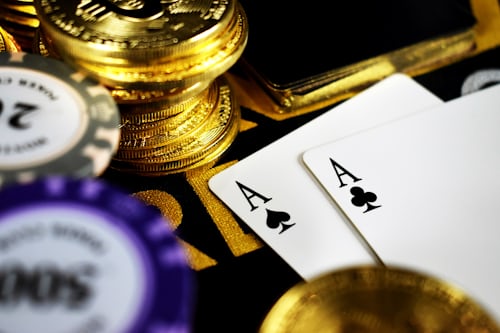
Furthermore, players often fall victim to the gambler’s fallacy, which is the belief that past outcomes can influence future results. For example, if red has appeared several times in a row on a roulette wheel, a player might think that black is “due” to come up. This misconception is grounded in the belief that randomness somehow works in streaks, but in reality, each spin is an independent event. Understanding this can help players make more informed decisions rather than relying on flawed logic.
To minimize losses, it is crucial for players to educate themselves about the games they are playing. By understanding how the house edge works and recognizing that no strategy can completely eliminate it, gamblers can approach their betting with a more realistic mindset. This not only helps in reducing losses but also enhances the overall enjoyment of the gaming experience.
The Myth of ‘Lucky Numbers’
Another prevalent myth in gambling is the belief in lucky numbers. Many players hold certain numbers dear, often due to personal significance or cultural beliefs. While it can be fun to play these numbers, the reality is that each number has an equal chance of winning in games of chance like lotteries and slot machines. There is no statistical basis for the idea that some numbers are luckier than others; it is purely a psychological phenomenon.
This attachment to lucky numbers can lead to players making irrational decisions, such as betting all their money on a single number. Understanding that gambling outcomes are random and not influenced by previous results or personal beliefs can help players make more rational choices. For example, in a lottery, every combination has the same probability of being drawn, which is not swayed by the frequency of past winning numbers.
Emphasizing the importance of responsible gambling, players should focus on the entertainment aspect of betting rather than relying on superstitions. By acknowledging the randomness of outcomes, gamblers can develop a healthier relationship with their gambling habits and make more strategic decisions based on odds rather than emotions.
The Illusion of Control
Many gamblers fall into the trap of believing that they can control the outcome of games through skill or strategy. This is particularly prevalent in casino games where players feel they can influence the result, such as blackjack or poker. While these games do involve an element of skill, the outcomes still heavily depend on luck and the randomness of the game. For instance, even the best poker players cannot control the cards they are dealt.
This illusion of control can lead to overconfidence, where players believe they can outsmart the odds. For instance, a skilled poker player might think they can consistently win against less experienced opponents, but unexpected elements can always alter the outcome. A bad run of cards can quickly change the game’s dynamics, reminding players that luck plays a significant role in all gambling.
To combat this myth, gamblers should focus on honing their skills in skill-based games while understanding that luck is an uncontrollable factor. This balanced perspective allows players to enjoy the strategic elements of gambling without losing sight of the inherent uncertainties involved. By acknowledging this duality, gamblers can foster a more sustainable and enjoyable gambling practice.
The Misconception of ‘Chasing Losses’
Chasing losses is a dangerous gambling myth where players attempt to recover lost money by increasing their bets. Many believe that if they just keep playing, they will eventually win back what they have lost. This behavior can lead to devastating financial consequences, as it often results in even greater losses. The belief that luck will turn in one’s favor can cloud judgment and lead to reckless decision-making.
This myth is particularly dangerous because it feeds into a cycle of compulsive gambling. For instance, a player might lose $100 and think that placing a larger bet could help them recover the loss, ultimately leading to more significant losses. Recognizing the futility of chasing losses can help gamblers practice self-control and walk away when things aren’t going well, thus preserving their bankroll for future gaming experiences.
Moreover, adopting a strategy of setting strict limits on losses can help manage gambling more responsibly. Players should treat gambling as a form of entertainment with a predetermined budget rather than a means to make money. By understanding that losses are a natural part of gambling, individuals can foster a healthier approach, allowing them to enjoy the thrill of gaming without the emotional turmoil of chasing losses.

Enhancing Your Betting Experience
For those looking to elevate their gambling experience, it’s essential to seek credible sources of information and review platforms. Comprehensive guides, expert evaluations, and player testimonials can provide valuable insights into the best betting strategies, platforms, and games. By understanding different games and their odds, players can make informed decisions that enhance their overall betting journey.
Utilizing expert advice can significantly improve both novice and experienced bettors’ understanding of how to approach gambling wisely. As you explore various options, consider the features that align with your preferences, such as bonuses, user interfaces, and customer support. An informed gambler is more likely to enjoy their experience while minimizing risks and maximizing potential enjoyment.
In conclusion, dispelling common gambling myths is crucial for a positive gaming experience. By focusing on realistic expectations, educating oneself about the odds, and utilizing resources available for informed betting decisions, players can not only enhance their enjoyment but also engage in a safer gambling environment.